
Bossier City Address Eras
No single roll names every person who occupied one Bossier City address. Land records establish legal transfers, directories place listed households at a street number, and census schedules show households at a dated count. Start with the source closest to the year being studied, then use another record type to test the match. This keeps previous residents separate from owners, agents, heirs, and permit applicants.
| Source | Years It Covers | Where Held | What It Shows |
|---|---|---|---|
| Deed and conveyance books | Parish records begin in 1843; web cutoff unstated | Bossier Parish Clerk | Grantor, grantee, registry data, legal description |
| Older conveyance images | 1843-1903 finding-aid range | FamilySearch; verify with Clerk | Book and index clues |
| Probate and successions | 1844-1914 finding-aid range | FamilySearch; Clerk is custodian | Heirs, executors, assets, relationships |
| Polk collection | 95 items; years not listed | Bossier Parish Libraries | Names, addresses, work and household clues |
| Directory leads | 1935-1941 excerpts; 1953 and 1960 leads | Supplementary sources | Dated occupants requiring checks |
| Federal census | Through 1950 under the 72-year rule | NARA | Household names, ages, birthplace and work |
| SmartCAMA | Current and prior-year choices | Bossier Parish Assessor | Owner, situs, mailing address and values |
For a recent parcel, begin with SmartCAMA and the Clerk. For a mid-century household, begin with a directory and the nearest released census. For an older trail, the Clerk's books remain the legal root even when a FamilySearch image makes discovery easier.
Trace Bossier City Owners Backward
The current parcel card supplies the stable keys for a backward search: assessment number, physical address, subdivision, lot, block, legal description, and owner. Take those details to Clerk Connect and select Bossier land records when access is available. The page names land inquiries, but it does not publish Bossier's exact online span. A subscription may be required.
- Copy the current owner and full legal description from SmartCAMA. Do not rely on the mailing address.
- Find the latest purchase deed. Record the seller, registry number, book and page, and property description.
- Search that seller as an earlier buyer while keeping the same lot, block, or legal description in view.
- Repeat to the target era. Branch into succession files when an estate or trust appears.
- Grantor / grantee
- The party transferring land and the party receiving it.
- Chain of title
- The linked series of transfers for the same land.
- Legal description
- The lot, block, subdivision, or survey text that can survive a street-label change.
Bossier Previous Residents Offline
An absent web hit does not end the chain. The Bossier Parish Clerk of Court keeps the land record at 204 Burt Boulevard in Benton, since Benton rather than Bossier City is the parish seat. Call 318-965-2336 or visit during posted weekday hours to ask about a deed book, index period, copy, or certified record that Clerk Connect does not expose.
The State Archives microfilm list tells researchers to obtain Clerk permission because the Clerk retains custody. Its 2013 Bossier entry says “None.” That means the list identifies no Bossier microfilm there, not that old parish books vanished.
Prepare a focused request before calling. Give the present address, legal description, known owner, likely date range, and any registry number already found. Ask whether staff can identify the relevant conveyance index, deed book, succession file, or plat. If an image is not online, ask how to inspect it at the counter and what details are needed for a copy. The office's copy and certification terms should be confirmed directly because the research did not locate a current counter fee schedule.
Bossier City Address Variants Matter
The supplemental Gowan directory excerpts show why exact copying matters. Entries from 1935 through 1941 move among McDada and McDade spellings and the numbers 230, 224, and 301. This may reflect a move, changed number, transcription issue, or printed variant. It does not prove one explanation.
Use the city street-to-neighborhood list as a current locator, then test the old number against lot, block, subdivision, and legal description. No official citywide renumbering year was found. Save the spelling as printed before adding a corrected form.
Match Bossier City Past Households
Ownership and occupancy meet in dated household sources. Search the street-and-householder part of a Polk volume, then move to its alphabetical section for the full entry. A spouse note, work place, phone, or changed house number can sharpen the date. The collections are covered on the Bossier City city directory page.
- Copy the address exactly from the closest directory year.
- Search the listed name in the alphabetical section.
- Compare it with the nearest released census, allowing for a different compilation date.
- Use an obituary or succession file to test family links and explain the trail's end.
The National Archives 1950 Census search shows the latest released federal household schedules.
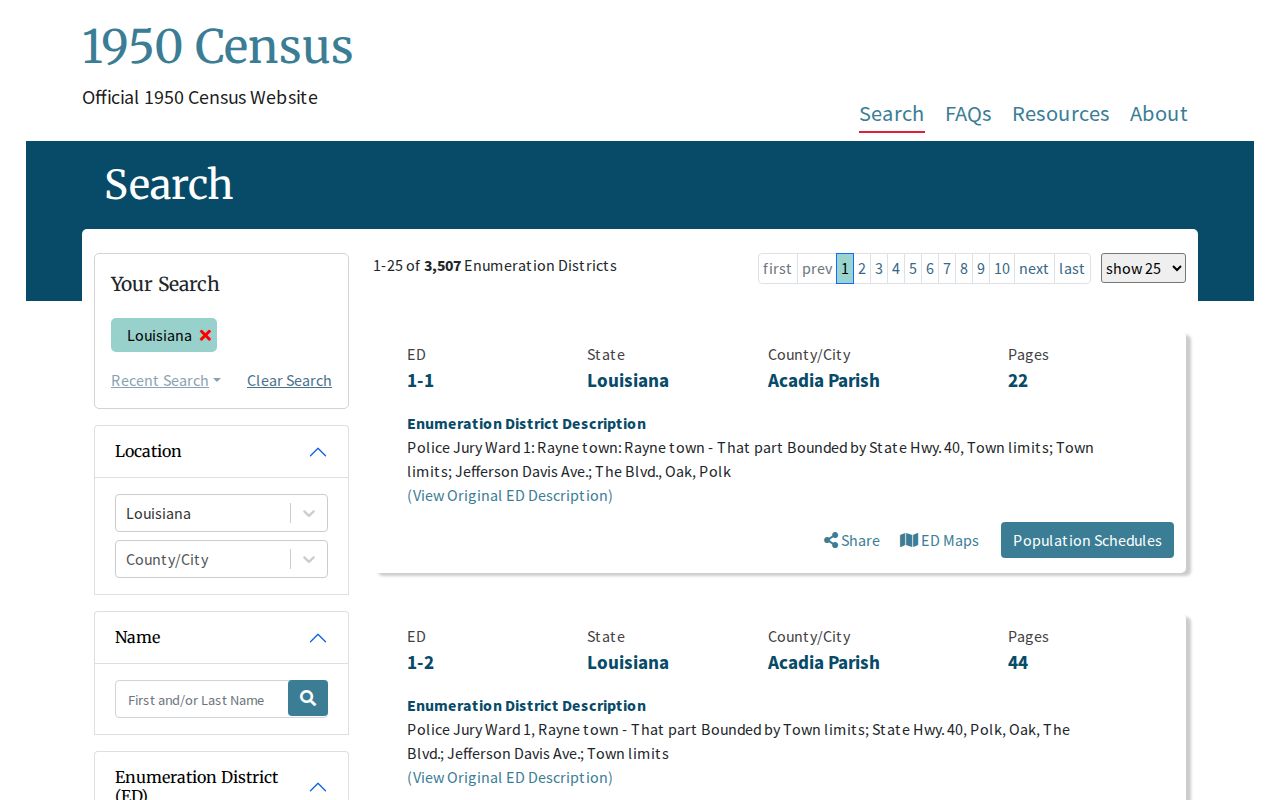
A census may confirm names, ages, birthplace, and work in that year, but it is not a current address book.
Lawful use. Research previous residents for genealogy, estate work, or place history. Never use an old address trail to watch, harass, or harm a person.
Bossier Previous Residents at Library
The Bossier Parish Libraries History Center holds newspapers, yearbooks, photos, oral histories, objects, and directories. Its current page reports a construction closure through August 31, 2026, so call before visiting. Remote requests should give the address, known names, dates, relatives, and sources checked.
Staff guidance is limited to about 30 minutes. Obituary requests need a complete death date, while newspaper lookups need title, date, page, and column. The policy describes free JPEG scans and charges for other copies. PastPerfect and library databases can aid discovery, subject to current access.
Map Bossier City Address Change
The Library of Congress Sanborn collection can show lot lines, street widths, building use, materials, and footprint. No exact Bossier City sheet years were verified, so search live results before citing one. A map dates a structure, not its owner. Return to the legal description and dated household sources.
Permits, code cases, and sales add dated events. The Bossier Sheriff real-estate page may show case number, date, address, parties, writ, appraisal, and bid details.
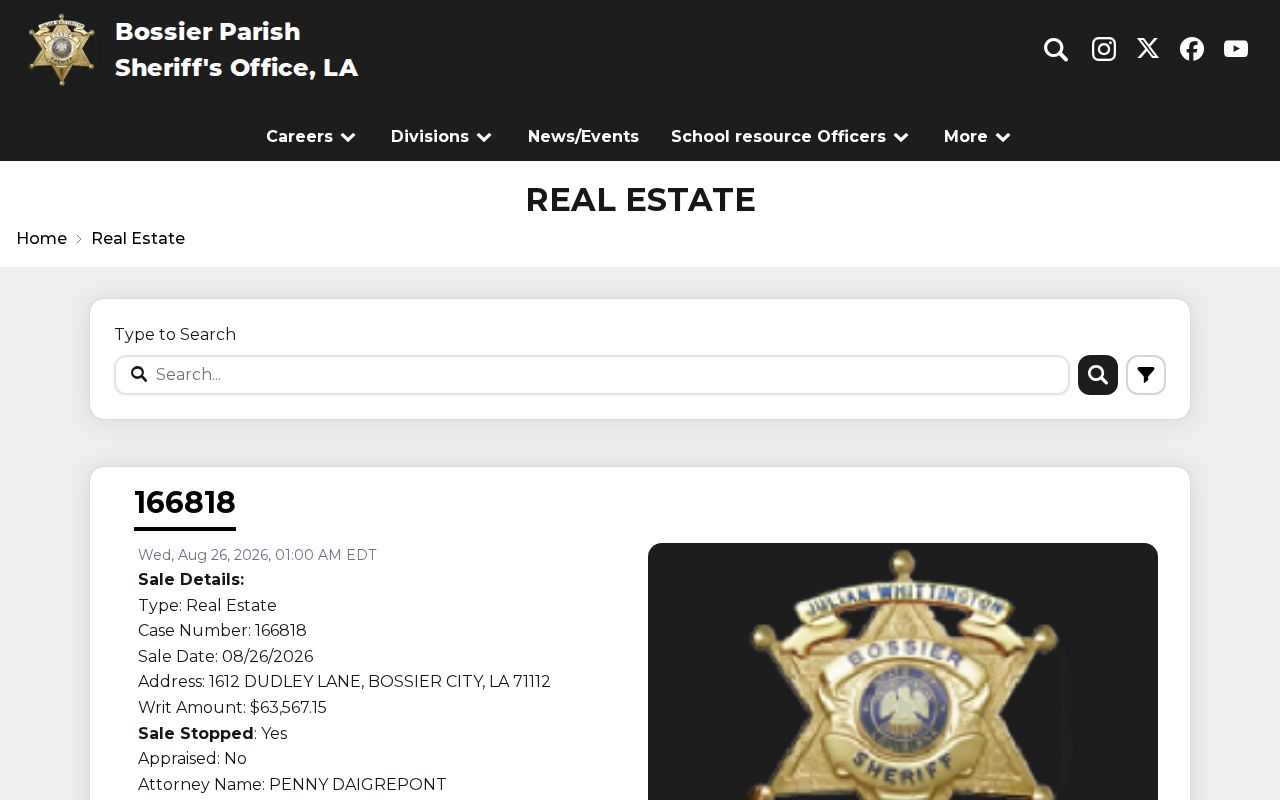
Online Sheriff sales moved to Bid4Assets on September 1, 2025. Verify the recorded transfer with the Clerk.
City permit records answer a different question. The application fields can include project address, subdivision, unit, lot, owner contact, builder, design professional, work type, size, and permit number. EnerGov provides the current self-service route, though registration is needed for many actions and its historical span was not published. Property Standards records can add a dated complaint or notice at the address, but they are not proof of ownership or occupancy.
Bossier Previous Residents Through Growth
Bossier Parish dates to 1843. Official city history records 775 people in 1910, 3,000 in 1930, 5,000 in 1940, and 15,260 in 1950. Rail links, roads, and Barksdale changed both the population and address context. Combined Shreveport/Bossier books and parish records therefore matter.
A major 1925 fire destroyed homes and businesses, but inspected sources do not say it destroyed Clerk books. Use newspapers and local history to study the fire without inventing a record loss. Label each historical claim as deed, index, image, transcription, census, directory, map, or local-history evidence.
The form of each source sets the claim it can support. A directory transcription is a lead until its image is checked. An index points to a filed item but may omit the full terms. A certified Clerk copy carries the recorded text, yet even that transfer names title parties rather than all people in the home. Write the source type and date beside every name.
Missing years are source gaps, not proof that a Bossier City house stood empty. Fill a gap with the nearest directory, newspaper notice, census schedule, deed, succession, permit, or library request. Keep the dates apart, since each substitute describes a different event. That discipline makes the final list of previous residents useful and honest.
A simple research log should have columns for date, printed address, normalized address, person or entity, source type, source identifier, and confidence. Add the book and page for a deed, directory year and page for an entry, or enumeration details for a census household. When a Bossier City address changes but the legal description stays fixed, the log makes that bridge visible without hiding the uncertainty.